Overview of PG&E’s Rate Reduction
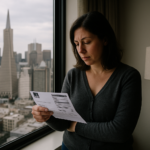
Pacific Gas and Electric (PG&E) has announced a 5% decrease in electricity rates set to take effect by 2026. However, this change may not significantly benefit many residents in San Francisco. Analysts indicate that those who rely on PG&E for their electricity may see minimal changes in their utility bills.
Impact on San Francisco Residents
It’s essential to recognize that the rate cut primarily affects customers who purchase power directly from PG&E. A substantial number of San Francisco residents are served by CleanPowerSF, the city’s municipal energy provider. This means that many will not benefit from PG&E’s rate adjustments, causing confusion and frustration among the populace.
Rising Delivery Charges
In addition to the rate reduction, customers are facing rising delivery charges, which contribute to higher electricity bills. These charges are necessary for maintaining and upgrading infrastructure, including wildfire mitigation efforts and grid enhancements. Thus, even with a lower generation rate, residents might not feel any financial relief.
Expert Opinions
Legal experts, such as Matthew Freedman from the Utility Reform Network, have expressed concerns over PG&E’s portrayal of the rate decrease. He argues that the narrative surrounding the reduction may be misleading, as it does not address the overall costs that consumers are likely to continue facing.
Delivery Costs and Billing Changes
The new billing structure will introduce base service charges, including a flat fee of $24 per month for most PG&E customers. This fee is intended to cover fixed costs associated with the power grid, which may negate the savings from the rate reduction.
Legislative Context
This change in PG&E’s pricing structure is a direct result of a state law enacted in 2022. The law encourages Californians to transition from gas-powered appliances to electric ones, aiming for a greener future. However, it raises questions about whether residents will experience significant savings given their relatively low electricity consumption.
Public Utility Discussions
Frequent power outages in San Francisco have sparked discussions about the city’s reliance on PG&E. Local lawmakers are advocating for a public utility model that could potentially offer cheaper and more reliable power options. While a public takeover of PG&E might promise lower rates, it is accompanied by complex legal and financial considerations.
Conclusion and Future Outlook
As San Francisco leaders continue to pressure PG&E regarding service reliability, they are also exploring the possibility of public ownership of the power system. This dual approach aims to ensure that residents have access to affordable and dependable electricity in the future. For now, San Francisco residents should remain informed about their electricity options and be prepared for the changes ahead.