Introduction
In the realm of scientific inquiry, the pursuit of knowledge often comes with inherent risks. Researchers like Karen Wetterhahn, a distinguished chemist, exemplify the blend of passion and peril that defines laboratory work. Her story is both a celebration of scientific achievement and a stark reminder of the essential importance of laboratory safety.
Early Life and Education
Born on October 16, 1948, in Norwich, New York, Karen Wetterhahn displayed exceptional intelligence from an early age. Her fascination with science propelled her into a career in chemistry, a field that would ultimately secure her legacy as a trailblazer in toxicology.
Scientific Contributions and Research Focus
Throughout her career, Karen Wetterhahn made significant strides in the field of metallotoxicology. She dedicated her research to understanding the effects of toxic metals like mercury, lead, and cadmium on human health at a molecular level. Her investigations into how these metals interact with biological systems provided valuable insights into their potential dangers.
The Fatal Laboratory Incident
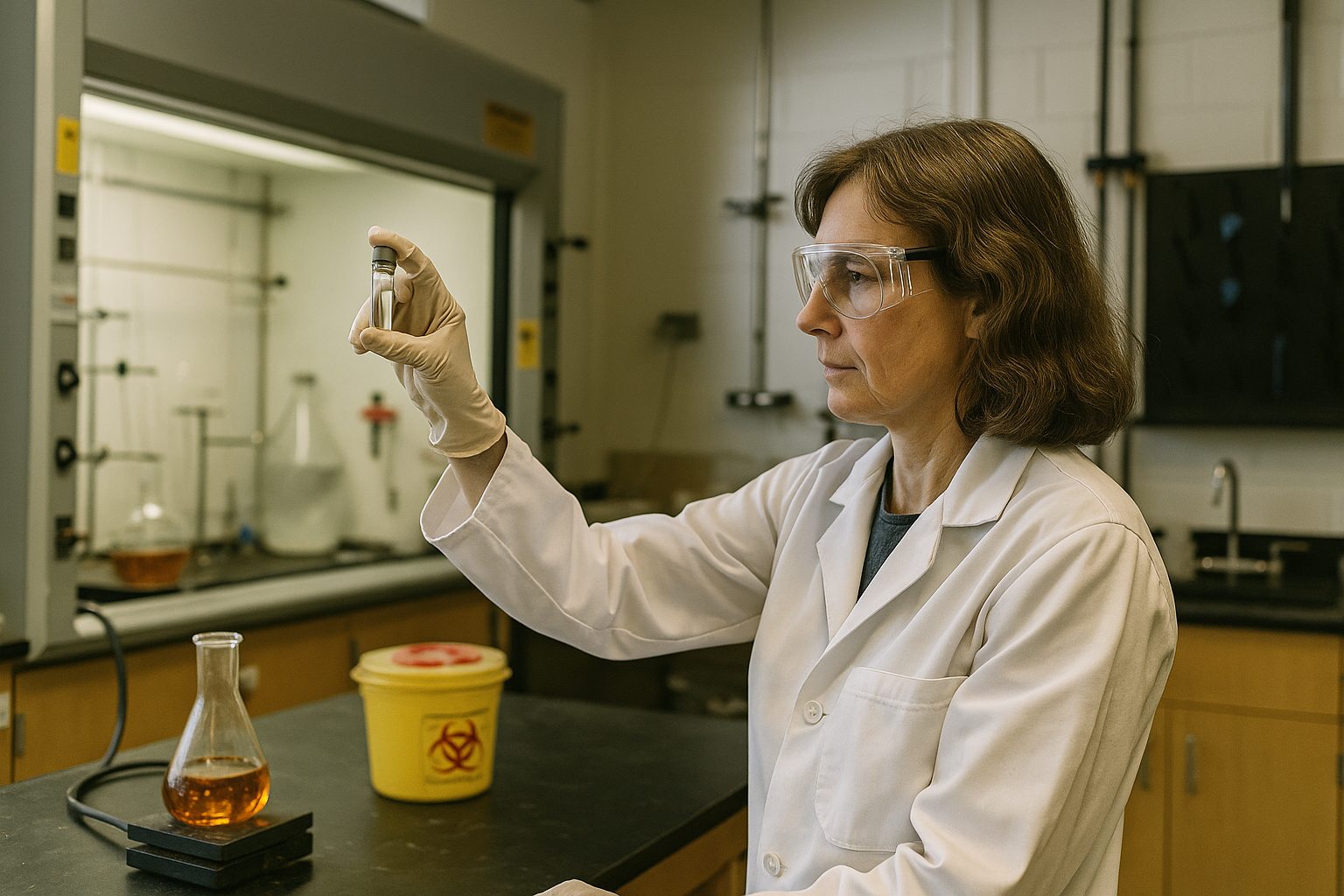
On August 14, 1996, while conducting experiments with dimethylmercury, one of the most lethal substances known, a tragic accident occurred. A small spill on her latex glove allowed the toxic chemical to penetrate her skin, leading to severe poisoning.
Impact on Laboratory Safety Protocols
The untimely death of Karen Wetterhahn in 1997 sent shockwaves through the scientific community. This incident highlighted the risks associated with even minimal exposure to hazardous chemicals and prompted a reevaluation of laboratory safety standards. In response, institutions implemented stricter safety measures, including enhanced protective gear and more comprehensive training on chemical handling.
Remembering Karen Wetterhahn’s Legacy
Despite the tragic end to her career, Karen Wetterhahn’s influence remains profound. She is celebrated not only for her groundbreaking research but also for the vital changes she inspired in laboratory safety practices. Her legacy serves as a reminder of the importance of vigilance in protecting researchers and students alike.
The Human Aspect of a Scientist
Beyond her professional achievements, Karen Wetterhahn is remembered as a mentor and friend. Her warmth, generosity, and dedication to nurturing young scientists left an indelible mark on those who knew her. The personal connections she forged add depth to her story, making her loss even more impactful.
Conclusion
The story of Karen Wetterhahn is a poignant reminder of the risks faced by scientists in their quest for knowledge. Her legacy lives on, not only through her contributions to toxicology but also in the heightened awareness and improved safety protocols that emerged from her tragic accident. Karen Wetterhahn’s life is a testament to the sacrifices made in the name of science and the lasting changes that can arise from such profound loss.
Frequently Asked Questions (FAQs)
- Who was Karen Wetterhahn? A renowned chemistry professor at Dartmouth College known for her pioneering work in metallotoxicology.
- What caused the laboratory accident? An accidental spill of dimethylmercury on her glove allowed the toxic substance to enter her bloodstream.
- What is dimethylmercury? An extremely toxic organic mercury compound that poses serious health risks even in minute quantities.
- Could the accident have been avoided? Yes, with modern protective equipment and protocols, such accidents can be prevented.
- What changes were made after her death? Stricter safety standards, including the use of specialized gloves and improved training on hazardous materials.
- What is her lasting legacy? Karen Wetterhahn’s legacy includes significant contributions to understanding metal toxicity and the enhancement of laboratory safety practices.