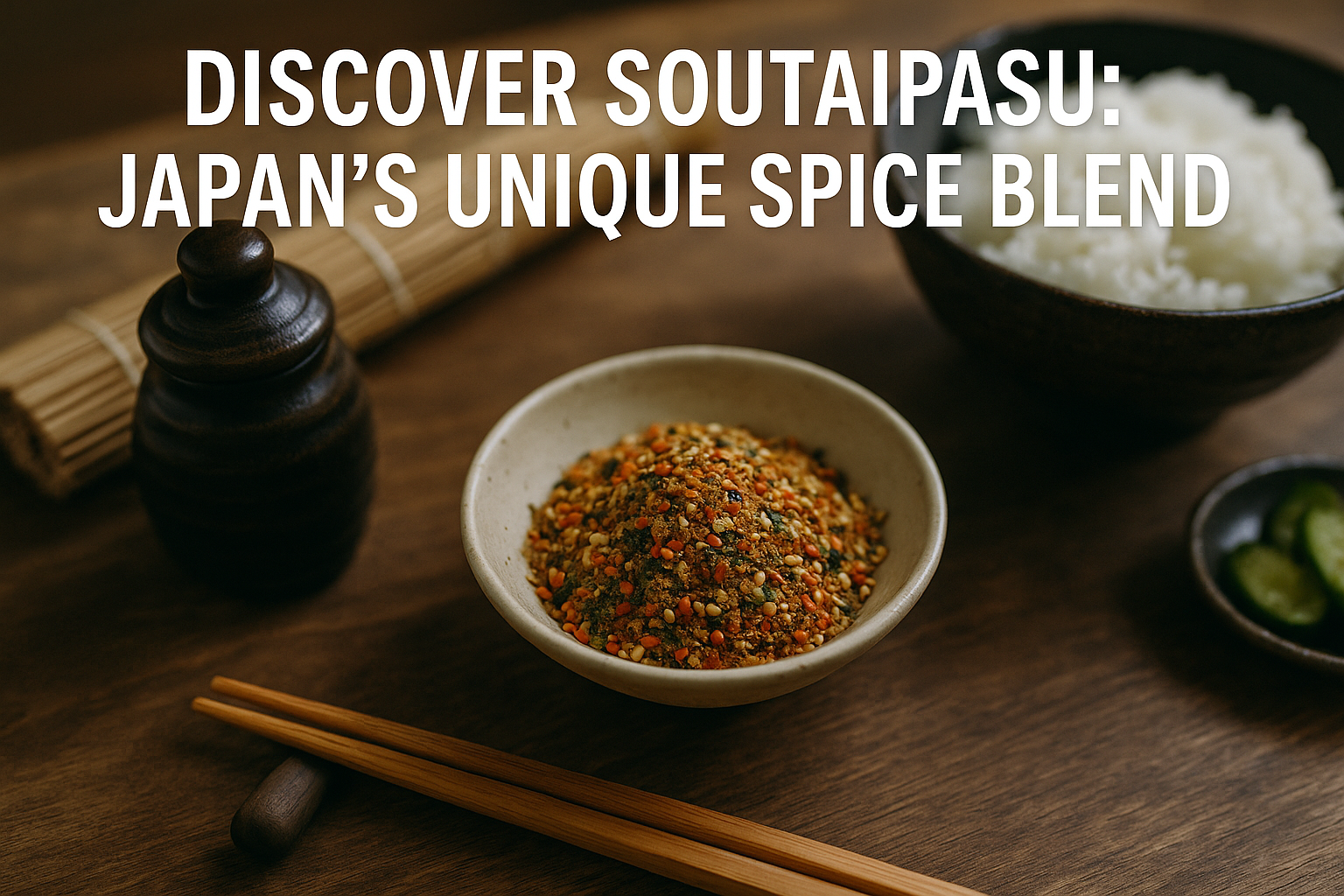
Introduction to Soutaipasu
Japanese cuisine is renowned for its intricate balance of flavors, seasonal ingredients, and masterful simplicity. Among the recent innovations capturing attention is Soutaipasu, a unique spice blend that merges sour and spicy elements into a single seasoning. As chefs and home cooks seek vibrant and complex flavors, Soutaipasu offers a refreshing twist that enhances dishes without overshadowing their core ingredients.
Understanding Soutaipasu
Soutaipasu can be defined as a contemporary Japanese spice blend that artfully combines sour and spicy flavors. Unlike traditional spices such as shichimi togarashi or sansho pepper, Soutaipasu represents a modern culinary trend reflecting Japan’s evolving taste preferences. The name itself embodies its essence, fusing the Japanese words for “sour” and “spice,” which highlights its innovative approach to flavor. This seasoning invigorates the palate, striking a delicate balance between brightness and warmth.
Cultural Roots and Significance
While Soutaipasu is a recent creation, its flavor principles are deeply embedded in Japanese culinary tradition. Sour elements from ingredients like umeboshi plums, yuzu citrus, and vinegar have long enriched Japanese dishes. These ingredients not only enhance taste but also offer preservation and digestive benefits. The fusion of sour and spicy flavors reflects a contemporary culinary landscape where global influences are increasingly embraced. Soutaipasu is a symbol of innovation that respects traditional Japanese flavors while introducing exciting new combinations.
Flavor Characteristics
The flavor profile of Soutaipasu is both bright and invigorating, making it a standout seasoning in modern Japanese cuisine. The sour component typically comes from dried citrus peels or fruit powders such as yuzu or umeboshi, imparting a tangy brightness that cuts through rich flavors. The spicy aspect is usually derived from chili peppers, ginger, or sansho pepper, delivering warmth rather than overwhelming heat. This harmonious blend creates a layered taste experience that is aromatic, memorable, and appeals to a wide range of palates.
Ingredients and Composition
There isn’t a singular recipe for Soutaipasu, but its ingredients generally consist of natural Japanese components emphasizing both acidity and spice. Common sour elements include finely ground yuzu peel and dried umeboshi plum, which provide aromatic brightness. The spiciness often comes from chili pepper flakes, sansho pepper, or powdered ginger, each contributing warmth in unique ways. Additional ingredients like sea salt or sesame seeds can enhance the texture and aroma, ensuring that the sour and spicy qualities complement one another seamlessly.
Versatile Culinary Applications
Soutaipasu is celebrated for its versatility in the kitchen. It can be used as a finishing touch or incorporated during the cooking process. Chefs often sprinkle it on ramen, udon, rice bowls, grilled fish, or tempura, adding an instant flavor boost. When mixed into soups, it brightens the broth while providing a gentle heat. Additionally, it enhances sauces, marinades, and dressings, infusing dishes with its signature sour-spicy balance. Its adaptability makes Soutaipasu increasingly popular among both professional chefs and home cooks.
Health Benefits of Soutaipasu
Beyond its culinary advantages, Soutaipasu offers potential health benefits. The sour ingredients, particularly citrus peel and umeboshi powder, are known for promoting digestion and providing antioxidants. The spicy components like chili peppers and ginger are associated with anti-inflammatory properties and metabolic enhancement. This combination not only elevates flavor but also supports a balanced, health-conscious diet, positioning Soutaipasu as a wholesome alternative to heavier sauces or artificial seasoning mixes.
Preparation of Soutaipasu
Making Soutaipasu traditionally involves drying and grinding the various sour and spicy components before blending them into a consistent seasoning. Citrus peels may be sun-dried or dehydrated, then ground into a fine powder. Umeboshi plums are dried and ground, contributing both sourness and depth. Each ingredient is carefully prepared to achieve the desired texture before blending in precise proportions. The final mixture is stored in airtight containers to preserve its potent aroma and flavor, with a resting period allowing the flavors to meld naturally.
Dishes Enhanced by Soutaipasu
Soutaipasu can elevate a variety of dishes, making it a favorite across different culinary styles. In traditional Japanese cooking, it pairs well with grilled fish, miso soup, cold soba noodles, and rice dishes. Its sourness cuts through fatty textures, making it particularly effective on fried foods. Modern chefs apply Soutaipasu to vegetables, tofu, seafood, and even breakfast items like avocado toast, enhancing them with a lively, citrus-forward kick. Its flexible nature allows it to enhance subtle flavors without overwhelming them, solidifying its place in both restaurants and home kitchens worldwide.
Contemporary Culinary Trends
As global culinary influences grow, Soutaipasu has become representative of Japan’s modern food culture. Its blend of sour and spicy notes resonates with current trends that favor sharp, clean flavors. Many chefs are incorporating Soutaipasu into infused oils, sauces, and rubs, showcasing its versatility in fusion cuisine. The increased focus on plant-based and health-oriented dishes further boosts its popularity, as its natural ingredients provide a flavorful alternative to heavy condiments. Soutaipasu embodies a broader movement in Japanese cuisine, embracing new flavor combinations while maintaining a commitment to balance and harmony.
Conclusion
Soutaipasu exemplifies the innovative spirit of contemporary Japanese cuisine. With its vibrant sour and subtle heat, it offers a refreshing flavor experience that pays homage to Japan’s rich culinary heritage. Its versatility, health benefits, and unique taste make it an essential seasoning for both traditional and modern cooking. As more individuals discover its dynamic flavor profile, Soutaipasu is poised to become a staple in kitchens around the globe, infusing dishes with energy, depth, and character.