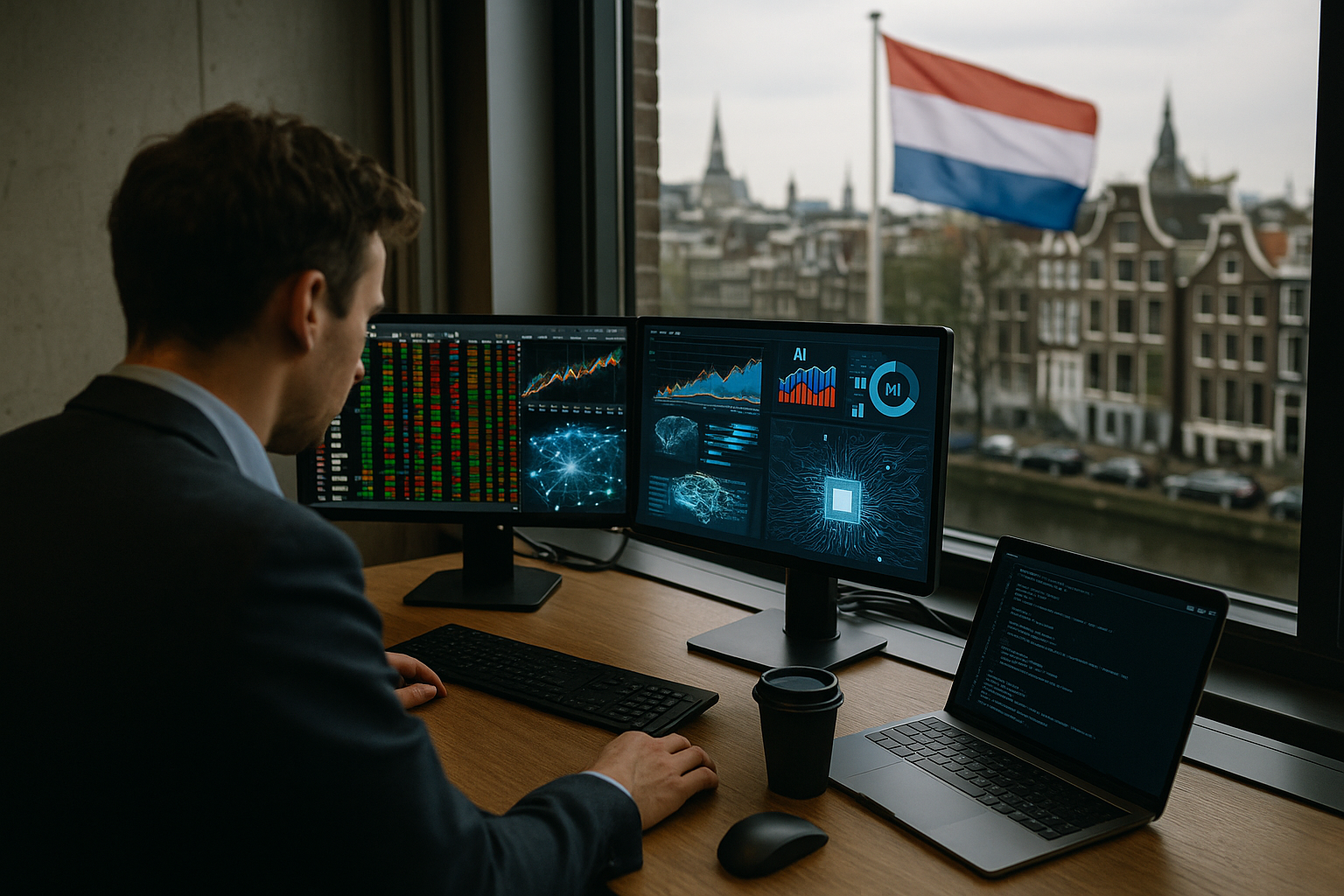
Introduction to Tech Trends in the Netherlands
As we look towards 2025, several technology trends are set to profoundly influence the Netherlands. Understanding these trends is crucial for businesses and individuals alike, as they adapt to a rapidly changing digital landscape. This article delves into the most significant technological advancements and their implications for the Dutch economy and society.
The Rise of Artificial Intelligence
Artificial Intelligence (AI) is at the forefront of technological innovation. In the Netherlands, companies are increasingly leveraging AI to enhance operational efficiency and improve customer experience. From smart assistants to predictive analytics, AI is transforming how businesses interact with consumers and manage internal processes.
Sustainable Technology Innovations
The focus on sustainable technology is becoming more pronounced as environmental concerns grow. The Netherlands is spearheading initiatives in renewable energy, eco-friendly building designs, and the circular economy. By adopting these technologies, businesses can reduce their carbon footprint and contribute positively to the environment.
Internet of Things (IoT) Connectivity
The Internet of Things (IoT) is revolutionizing both residential and commercial spaces. In the Netherlands, IoT devices are enhancing connectivity and automating processes, leading to smarter homes and more efficient workplaces. From smart appliances to connected industrial equipment, IoT is paving the way for a more integrated technological ecosystem.
Enhancing Cybersecurity Measures
As digitalization accelerates, so do the risks associated with it. Cybersecurity has emerged as a critical concern for businesses and individuals in the Netherlands. With the increasing prevalence of data breaches and cyber threats, investing in robust cybersecurity measures is essential to protect sensitive information and maintain trust.
The Impact of Robotics and Automation
Robotics and automation are transforming various sectors, including manufacturing and logistics. In the Netherlands, these technologies are streamlining operations, reducing costs, and enhancing productivity. As businesses adopt more automated solutions, the workforce will need to adapt to new roles that focus on managing and collaborating with these advanced systems.
Conclusion: Staying Ahead of the Curve
In summary, the technological landscape in the Netherlands is evolving rapidly, guided by trends such as AI, sustainability, IoT, cybersecurity, and automation. To thrive in this environment, businesses and individuals must stay informed and adaptable. Embracing these innovations will not only foster growth but also ensure readiness for the challenges and opportunities that lie ahead in 2025 and beyond.